| Merry Christmas and happy holidays! I will be off next week; The Checkup resumes Jan. 6. You can always submit your questions — I love hearing from you and look forward to answering them in future newsletters. (As a reminder, questions from Washington Post subscribers are prioritized. Right now, until Jan. 4, you can purchase a subscription for unlimited access to everything The Post publishes for 99 cents every four weeks. )
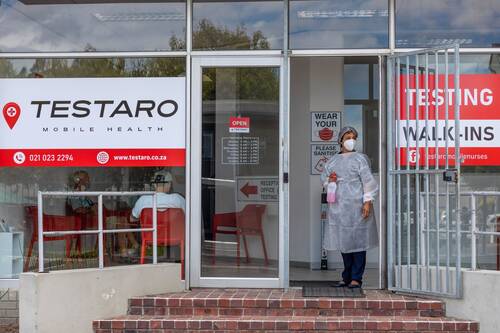
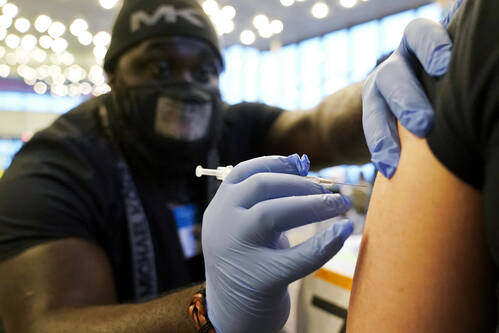
This is not quite the cheerful holiday message I'd hoped to be writing, but many readers are asking some variation of this question: What should I do if I contract the coronavirus while traveling? As John from Massachusetts wrote, "What happens when you're staying in a hotel, dependent on air travel to get home, take a rapid test just before joining the family for a holiday meal and get a positive result?" Rochelle from Florida is the middle of this situation now: "My husband and I are both fully vaccinated. He is sick with covid-19, including a positive PCR test. My PCR test is negative and I am not symptomatic. Do we need to test again? When is it safe for us to travel by airplane?" Taking a trip in the middle of the winter surge, surrounded by the highly contagious omicron variant, means there is a real possibility that you or someone in your family will be diagnosed with covid-19 while away from home. This doesn't mean you shouldn't travel or gather with loved ones; rather, it means you should be prepared. Here's my advice for how to plan in advance of your trip: Bring rapid tests and know where to get a confirmatory PCR test. Testing has become extremely limited. For those who stocked up ahead of time, bring at least two rapid antigen tests for every member of your family — one to take before the family gathering, and another to take if you develop symptoms. A positive result should immediately trigger a formal PCR test. Know where to get one and what the anticipated wait time would be. In response to John's question, the person who tests positive before a family meal should stay away from that gathering. Instead, they should seek out a confirmatory PCR test. Presume it's positive while waiting for test results and isolate. If the PCR test ends up negative, you've had a false positive home test and can be around others again. Figure out where you would isolate. The current guidelines from the Centers for Disease Control Prevention require 10 days of isolation from the onset of symptoms. For asymptomatic people, the 10 days start from the date of the positive test. If you are visiting relatives, is there a spare room where you can isolate? If you are staying in a hotel, can you extend your reservation? Is there someone who can help bring groceries, food and other supplies? If some in your party test positive and others don't, can you stay in separate quarters? Make sure your travel arrangements are flexible. A positive result means that you can't travel back until your isolation period is complete. In response to Rochelle, her husband shouldn't return by plane until 10 days from the start of his symptoms, assuming he no longer has a fever. There's no need to test again prior to travel. (Britain has just shortened isolation to seven days, with a negative test, but the United States has not done this yet.) Rochelle is able to travel now. That's because, according to CDC guidelines, a vaccinated person with a close contact does not need to quarantine. (This is why President Biden, despite having exposure to a White House aide later diagnosed with coronavirus, has been able to continue public events.) Rochelle and Biden need to wear a mask while in public for 14 days or until they have a negative test taken at least five days after exposure. In this case, Rochelle might come back first if she must tend to child-care needs. Or she could choose to stay with her husband in case he becomes more ill. These are all situations to think through in advance and to ensure travel arrangements can be changed accordingly. Share your plan with people you're visiting. It would be hugely disappointing to fly across the country and then not see your extended family. Still, this could happen, and the entire point of testing in advance of gatherings is to identify who might inadvertently spread covid-19 to others. Make sure everyone shares this expectation. They should agree in advance that if anyone tests positive, they will let others know and promptly isolate. Many people may decide that all these complexities make the trip not worth it. That's understandable. It's equally understandable for others to decide that despite the risk, they need to be with their loved ones this holiday. As I wrote in my column this week and discussed with the Post's James Hohmann on his podcast, omicron is almost certainly not the last dangerous variant we will see. Let's not restrict the activities of the vaccinated, but instead, help people take precautions and make the best decisions for themselves and their families. | 



 Email
Email