| Welcome back to The Technology 202! Below: The latest on Amazon's deadly warehouse collapse and on Huawei's ties to surveillance. First up: | Facebook's latest defense: Social media doesn't hurt people. People hurt people. | 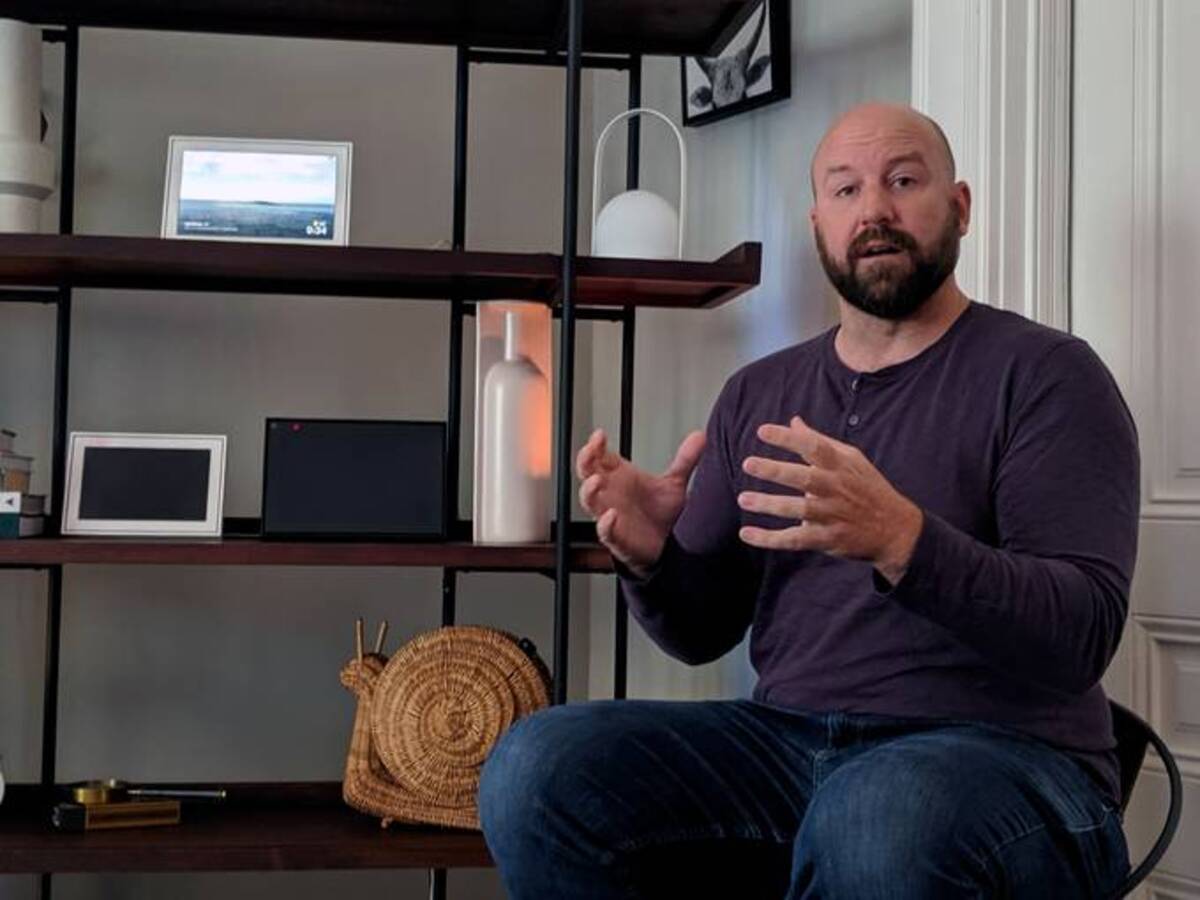 Andrew Bosworth will become Facebook parent Meta's chief technology officer next year. (Glenn Chapman/AFP/Getty Images) | | | Facebook executive Andrew Bosworth offered a fresh defense of the company's role in the spread of misinformation during an interview with Axios that aired Sunday. If you have a problem with users believing misleading covid-19 content, Bosworth said, "you have an issue with those people," not Facebook. The remarks, which drew immediate backlash, are the latest example of the tech giant taking a defiant tone in the face of criticisms over its safety practices, rather than offering apologies as it did in the wake of prior scandals. "Mr. Bosworth seems to be saying the quiet part out loud: that Facebook apparently doesn't see itself as responsible for spreading the misinformation and disinformation that their company profits off of," Sen. Mark Warner (D-Va.) told The Technology 202. But the argument also bore a striking resemblance to timeworn logic offered in defense of a wholly different industry: the "guns don't kill people; people kill people" catchphrase, often deployed by the National Rifle Association (NRA). While the products themselves are poles apart, leaders from both industries have used similar rationales when discussing the responsibility they bear when their tools cause harm. In the case of online misinformation, Bosworth argued, that burden ultimately falls on users. "Individual humans are the ones who choose to believe or not believe a thing. They are the ones who choose to share or not share a thing," said Bosworth, who next year will become chief technology officer for Facebook parent company Meta. It's not the first time the company has made that argument. | | "Responsibility for the violence that occurred on January 6 lies with those who attacked our Capitol and those who encouraged them," Facebook spokeswoman Dani Lever said in a statement amid accusations the company allowed former president Donald Trump's supporters to incite violence on its platforms before the attack. The company repeated the stance in June in response to a call by its oversight board for an internal review of how the platform may have contributed to the violence on Jan. 6. But the pointedness of Bosworth's latest comments struck a nerve. The problem with his argument, critics said, is that it disregards the power Facebook and other social media companies have to influence how content is disseminated — and, in some cases, to prevent its platforms from being weaponized. Howard Forman, professor of radiology and biomedical imaging at Yale University, and Antonio Casilli, sociology professor at the Institute Polytechnique de Paris: | | Blake Reid, a tech and telecom policy professor at the University of Colorado Law School, said it's not fair to describe social media platforms as "a mirror to society" that just reflects users' harmful behaviors onto the web because they play a major role in shaping our discourse. "Facebook is structuring a platform for how those communications happen," including with the decisions it makes about what content to recommend and amplify, he said in an interview. Facebook declined additional comment on Bosworth's remarks and comparisons between his arguments and the NRA catchphrase. | | While the link between online misinformation and real-world harm is far more difficult to trace than the trajectory of a bullet, Facebook and other social media platforms have been repeatedly accused of contributing to violence or even death. President Biden accused Facebook in July of "killing people" by allowing bad actors to spread misinformation about coronavirus vaccines, though he later dialed back his criticism. The White House has also fumed that the company hasn't been more forthcoming with data about the spread of covid-19 misinformation on its sites, as my colleagues reported in August. The company responded by pointing to the steps it has taken to curb misinformation, After Biden criticized Facebook's efforts to stamp out covid-19 misinformation, the company pointed to its initiatives aimed at directing users toward authoritative sources of medical information, as well as its expanded policies against misleading coronavirus content. Bosworth touted those and other efforts as perhaps "the biggest covid vaccine campaign in the world" in his interview, arguing the company is taking on responsibility. Asked if the company can strike a balance between limiting the misleading information people see and making it less easy to spread misinformation, Bosworth replied, "We're doing that. We are on the middle path. You just don't like the answers." He added, "But at some point, the onus is and should be in any meaningful democracy on the individual." Bosworth, one of Facebook's more provocative leaders, doesn't speak for the whole of the company as just one of its executives. Reid, the law school professor, said while Facebook is no "monolith," it's concerning to see someone of his stature stake out such a position. "It's really worrying to have someone at the senior echelons of the company who's responsible for setting the tone both publicly and no doubt internally in guiding how the technology is shaped and what decisions are made around who's taking this worldview," he said. | | |  | Our top tabs | | Federal regulators are investigating an Amazon warehouse's collapse during a tornado | 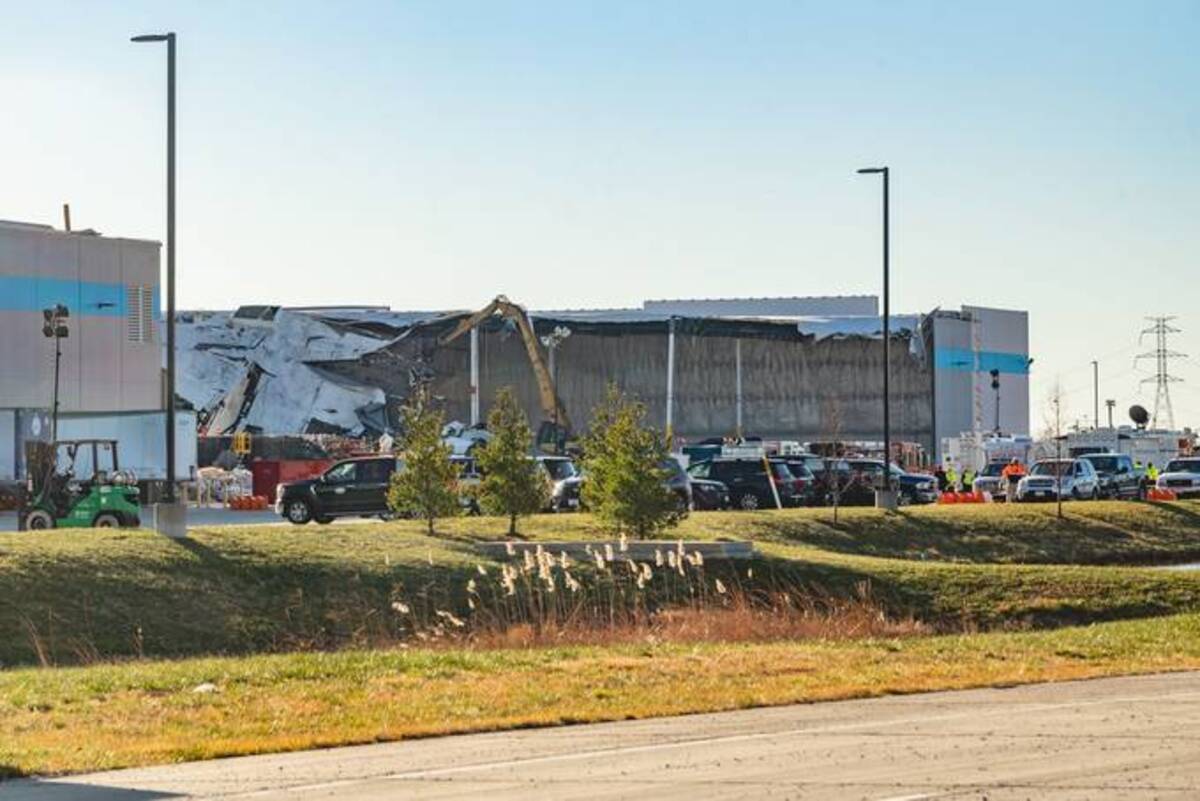 OSHA has six months to complete the investigation. (Liam Kennedy/Bloomberg) | | | Six workers were killed when a tornado ripped through the area near the 1.1-million-square-foot Amazon facility in Edwardsville, Ill., on Friday. Compliance officers from the Occupational Safety and Health Administration (OSHA) have been at the building collapse since the weekend, OSHA said. They have six months to complete an investigation, Rachel Lerman reports. (Amazon founder Jeff Bezos owns The Washington Post.) Officials are investigating potential structural issues and looking into whether the building is up to code, officials said at a news conference. Amazon spokeswoman Kelly Nantel said at the conference that the Amazon facility was "constructed consistent with code." | Chinese tech giant Huawei pitched its technologies for surveillance |  The U.S. government has long scrutinized Huawei. (Ng Han Guan/AP) | | | More than 100 marketing presentations reviewed by The Washington Post "show Huawei pitching how its technologies can help government authorities identify individuals by voice, monitor political individuals of interest, manage ideological reeducation and labor schedules for prisoners, and help retailers track shoppers using facial recognition," Eva Dou writes. Some of the slides were marked "confidential." The presentations were on a public-facing Huawei website before the company removed them last year. "The Post could not confirm whom the Chinese-language presentations were shown to, or when. Some of the slides showcase surveillance functions specific to police or government agencies, suggesting that Chinese government authorities may have been the intended audience," Eva writes. Many of the PowerPoints appear to have been created in 2013 and 2014, she reports. Huawei denied any connection to the slides. The company has "no knowledge of the projects mentioned in The Washington Post report," the company said. China's embassy said criticism of the company was groundless. | The Labor Department is investigating whether Apple retaliated against an employee who complained about conditions at the company |  The investigation represents a major labor challenge for Apple. (Brent Lewin/Bloomberg) | | | Apple fired engineer Ashley Gjovik in September, accusing her of disclosing confidential information. Gjovik says she was fired after raising concerns about "chemical exposure" at her office in California, which she said is located on a Superfund site. The Labor Department told Gjovik in a letter dated Dec. 10 that it was investigating whether the company retaliated against her, the Financial Times's Patrick McGee and Patrick Temple-West report. Regulators are looking into issues including whether the company retaliated against Gjovik over claims about occupational safety and hazardous waste. "For Apple, the investigation could mark the most significant setback in a string of labor disputes this year including a shareholder proposal requesting more information about the company's use of nondisclosure agreements," they write. "The proposal alleged the iPhone maker extends its culture of secrecy into workplace areas protected by state and federal laws." Apple declined to discuss specific employees but told the Financial Times that it is "deeply committed" to creating a positive workplace and that it investigates concerns by employees. | | |  | Rant and rave | | | Time magazine named SpaceX and Tesla CEO Elon Musk its 2021 Person of the Year. Our colleague, Jeff Stein, recalled Musk's recent tweet aimed at Senate Finance Committee Chairman Ron Wyden (D-Ore.): | | Some lawmakers also took aim at Musk. Rep. Pramila Jayapal (D-Wash.): | | |  | Inside the industry | | | |  | Workforce report | | | |  | Competition watch | | | |  | Privacy monitor | | | |  | Trending | | | |  | Daybook | | - The Center for Democracy and Technology and the Charles Koch Institute host the fifth annual Future of Speech Online event from Tuesday to Thursday.
- Vice President of the European Commission for Values and Transparency Vera Jourová discusses transatlantic digital cooperation at a Center for Strategic and International Studies event on Wednesday at 9:30 a.m.
- Former FCC Chair Ajit Pai speaks at a Georgetown University Center for Business & Public Policy event on Wednesday at noon.
- The Senate Judiciary Committee's antitrust committee holds a hearing on the impact of monopolization and consolidation on U.S. innovation on Wednesday at 2:30 p.m.
- Rep. Haley Stevens (D-Mich.), who chairs the House Science Committee's research and technology subcommittee, discusses the future of U.S. technological and scientific competitiveness at a Center for Strategic and International Studies event on Thursday at 2 p.m.
| | |  | Before you log off | | | That's all for today — thank you so much for joining us! Make sure to tell others to subscribe to The Technology 202 here. Get in touch with tips, feedback or greetings on Twitter or email. | |


